
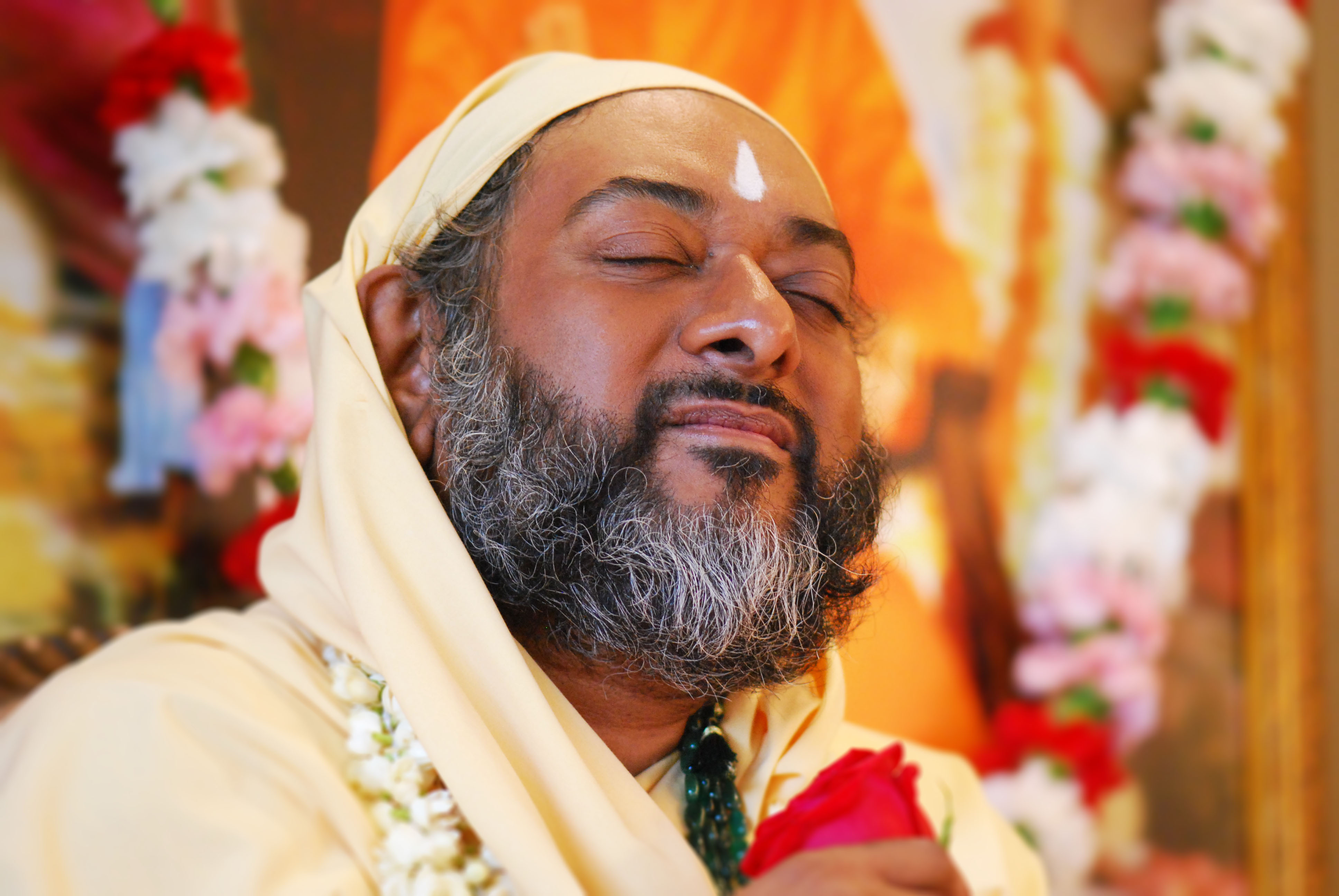
By Adi Narayan Ji
Meditation is the place where we let all of our attachments to our thoughts, feelings, and ideas fall away. When you sit to meditate, you should take the mindful position that the thoughts arising in the mind are unrelated and bear no meaning to you. Even if they have meaning, they should have no meaning for that period of meditation. By taking a detached position, this allows for the thoughts to evaporate like the morning mist. When one’s meditation is over, one can re-examine a thought, which had shown a powerful presence, and seek to resolve it at that point in time. During meditation however, one should disassociate with the feeling that one’s thoughts are meaningful and purposeful. This allows the next level of consciousness to come into your awareness.
Your attachment to your own thoughts is likened to steel bars that cage you into your own individual existence; bars that confine you to your own way of thinking. In this attachment, your desires, anxieties, beliefs and your fears propagate over and over again. The practice that aids you in mindful detachment is the practice of being the witness to one’s thoughts. That is, to bear witness to all your thoughts, feelings, and desires during your time of practice.
By just watching thoughts come and go, you continue to witness the mind. Soon however, your mind becomes interested with this lack of attentiveness and seeks to engage you further. Eventually when the mind understands that it cannot engage you any further by changing its density, speed and variations of thoughts, then it begins to subside from its onslaught of distractions. By allowing your mind the opportunity to let go of its thoughts at one level, it finally gives rise to a deepening awareness.